
How Do Odor Control Scrubbers Work in Industries?
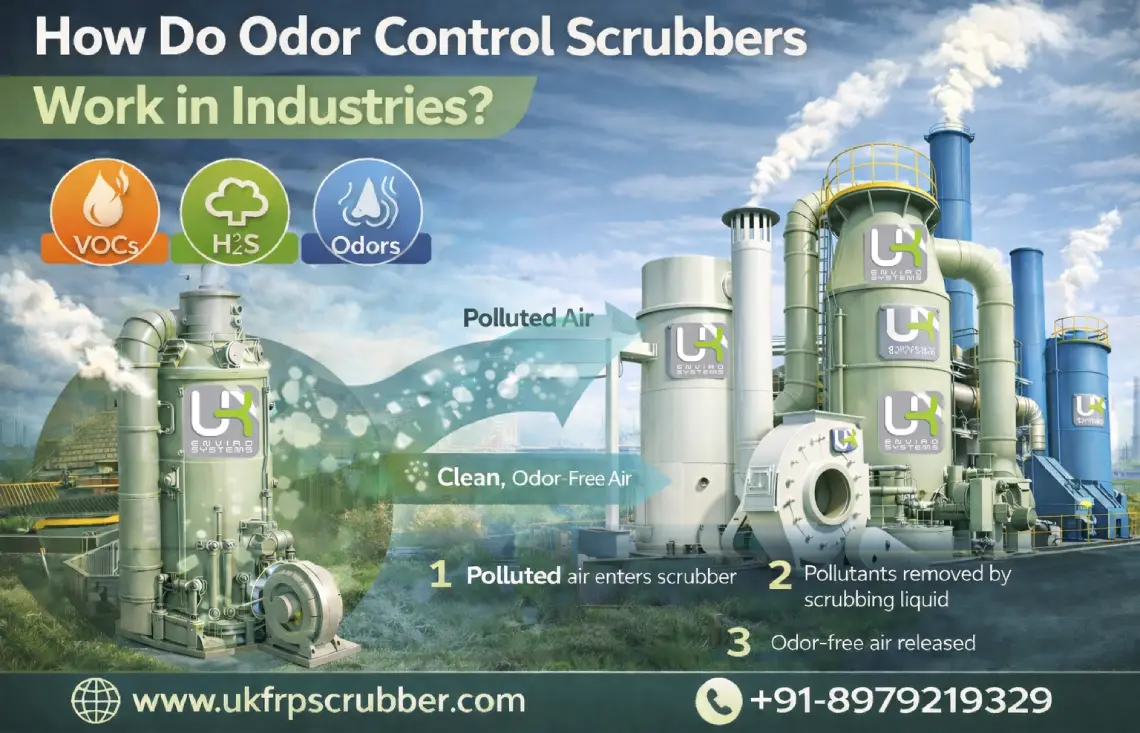
Table of Contents
ToggleOdor Control Scrubber Manufacturers
Unwanted industrial odors create serious problems. They annoy nearby communities. They also signal potential air pollution. Many industries need effective solutions. This is where Odor Control Scrubber Manufacturers step in. These experts design systems that remove bad smells. Their technology protects the environment. It also keeps workers safe. Understanding how these scrubbers work helps industries choose wisely.
Industrial processes release many gases. Some gases smell terrible. Others are harmful. Traditional ventilation does not solve the issue. It only moves the smell elsewhere. True odor control requires chemical or biological treatment. We build systems for this exact purpose. Their equipment captures odor molecules. Then it neutralizes them. The result is clean, fresh air.
Understanding Industrial Odors and Their Sources
Factories produce many types of odors. Food processing plants emit organic smells. Chemical plants release strong vapors. Wastewater treatment facilities generate sulfur compounds. Each source needs a specific approach. Odor Control Scrubber Manufacturers analyze each case carefully. They identify the main odor compounds. Then they select the right technology.
Common odor compounds include hydrogen sulfide. Ammonia is another frequent offender. Volatile organic compounds (VOCs) also cause problems. These molecules are often small. They spread quickly through the air. Without proper control, odors travel far. This leads to complaints and fines.
What Is an Odor Control Scrubber?
An odor control scrubber is a treatment device. It removes pollutants from gas streams. The system uses liquid or dry media. This media captures or destroys odor molecules. Odor Control Scrubber Manufacturers offer various designs. Each design targets specific contaminants. Wet scrubbers are the most common type.
FRP Scrubber Manufacturers specialize in fiberglass-reinforced plastic units. FRP material resists corrosion. It handles harsh chemicals well. Many industries prefer FRP scrubbers. They last longer than metal ones. They also weigh less. This makes installation easier.
How Wet Scrubbers Function
Wet Scrubbers use liquid to capture gases. The gas stream enters the scrubber. It meets a spraying liquid. This liquid absorbs the odor molecules. The clean gas exits from the top. The contaminated liquid goes to treatment. Odor Control Scrubber Manufacturers optimize this process.
The absorption happens through contact. Gas and liquid mix thoroughly. Large surface areas improve efficiency. FRP Scrubber Manufacturers design packed beds for this purpose. The packing material increases contact points. Each packing piece creates more surface area. This allows better mass transfer.
The Role of Packed Bed Scrubbers
Packed bed scrubbers are very effective. They contain a tall column. Inside, packing material fills the space. Odor Control Scrubber Manufacturers use random or structured packing. Random packing includes small rings or saddles. Structured packing has arranged sheets. Both types work well.
The gas flows upward through the packing. Liquid flows downward from the top. This counter-current flow maximizes contact. Odor molecules transfer into the liquid. Chemical reactions often occur. The liquid may contain reactants. These reactants neutralize the odors. FRP Scrubber Manufacturers build these columns from corrosion-resistant materials.
Chemical Scrubbing for Odor Removal
Many odors need chemical treatment. Hydrogen sulfide requires an oxidizer. Sodium hypochlorite works effectively. The scrubber adds this chemical to the liquid. When H2S contacts the solution, it converts to sulfate. The smell disappears completely. Odor Control Scrubber Manufacturers calculate exact chemical doses.
Ammonia needs acid scrubbing. Sulfuric acid captures ammonia gas. The reaction forms ammonium sulfate. This salt stays in the liquid phase. The exiting air becomes ammonia-free. FRP Scrubber Manufacturers ensure the vessel handles acidic conditions. FRP does not corrode like steel.
Key Components of Industrial Scrubbers
Every scrubber has several essential parts. The scrubbing vessel holds everything. Odor Control Scrubber Manufacturers size this vessel correctly. Too small leads to poor removal. Too large wastes money. Proper sizing requires engineering calculations.
The Scrubbing Liquid System
A pump circulates the scrubbing liquid. Nozzles spray the liquid evenly. FRP Scrubber Manufacturers select clog-resistant nozzles. The liquid collects at the bottom. Then it recirculates again. Some liquid bleeds off continuously. Fresh liquid replaces it. This maintains chemical strength.
Mist Eliminators
After scrubbing, gas carries liquid droplets. Mist eliminators capture these droplets. They use mesh pads or vane separators. Odor Control Scrubber Manufacturers place them at the gas outlet. This prevents liquid carryover. Clean, dry gas then exits the stack.
Packing Support and Hold-Down
The packing needs support from below. A grid holds the packing weight. A hold-down device keeps packing in place. FRP Scrubber Manufacturers design these internals carefully. Poor support causes packing movement. This reduces efficiency.
Types of Industrial Scrubbers for Odor Control
Different applications need different scrubbers. Odor Control Scrubber Manufacturers offer several configurations. Each type has strengths and weaknesses.
Venturi scrubbers use high velocity. Gas passes through a narrow throat. Liquid injects at that point. The high speed breaks liquid into fine droplets. This creates intense mixing. Venturi scrubbers remove fine particles too. However, they consume more energy. FRP Scrubber Manufacturers build Venturi units for tough duties.
Spray Towers
Spray towers are simple devices. They contain multiple spray levels. Gas flows upward through the sprays. Liquid droplets capture pollutants. Spray towers have low pressure drop. They work well for large gas volumes. Odor Control Scrubber Manufacturers use them when efficiency requirements are moderate.
Tray Towers
Tray towers use perforated plates. Gas bubbles through liquid on each tray. This creates good contact. Tray towers handle varying flow rates well. FRP Scrubber Manufacturers build sieve trays or valve trays. Cleaning is easier than packed beds. However, trays cost more than packing.
Why Industries Choose FRP Scrubbers
Material selection matters greatly. Steel scrubbers rust quickly. Stainless steel resists corrosion but costs much. FRP Scrubber Manufacturers offer a better solution. FRP stands for fiberglass-reinforced plastic. It combines glass fibers with resin. The result is strong and inert.
FRP Scrubbers handle acidic and alkaline liquids. They also resist chlorides. Many chemical plants prefer FRP. Odor Control Scrubber Manufacturers recommend FRP for wet scrubbers. The material does not degrade over time. It also requires no painting or coating.
Weight Advantages of FRP
FRP is lightweight. A comparable steel scrubber weighs four times more. This simplifies transportation. Installation needs smaller cranes. FRP Scrubber Manufacturers ship larger assemblies. Field erection becomes faster. Lower weight also reduces structural support costs.
Thermal and Chemical Resistance
FRP handles temperatures up to 200°F. Special resins extend this range. Odor Control Scrubber Manufacturers select the right resin. Vinyl ester resins resist acids well. Isophthalic resins work for milder conditions. The proper choice ensures long service life.
The Working Cycle of an Odor Control Scrubber
Let us follow one gas molecule through a scrubber. The molecule enters the inlet duct. It contains a foul-smelling sulfur compound. Odor Control Scrubber Manufacturers designed the system for this compound.
First, the gas distributes evenly. A perforated plate spreads the flow. Then the gas enters the packed bed. Liquid trickles down the packing surface. The sulfur compound diffuses into the liquid film. A chemical reaction occurs immediately. The oxidizer converts the compound.
The cleaned gas continues upward. It passes the mist eliminator. Droplets fall back down. The gas exits the stack. At the exit, no smell remains. This entire process takes seconds. FRP Scrubber Manufacturers ensure every second counts.
Liquid Recirculation and Bleed
The scrubbing liquid collects in a sump. A pump sends it back to the sprays. Odor Control Scrubber Manufacturers set a bleed rate. A small portion of liquid goes to waste. This removes accumulated salts. Fresh liquid enters automatically. The system maintains constant chemistry.
pH Control for Optimal Performance
Chemical scrubbing needs precise pH control. A pH sensor monitors the liquid. A controller sends signals to chemical pumps. Odor Control Scrubber Manufacturers program the setpoints. For acid scrubbing, pH stays low. For caustic scrubbing, pH stays high. Automatic control reduces chemical waste.
Applications Across Different Industries
Many sectors rely on Odor Control Scrubber Manufacturers. Each industry has unique challenges. FRP Scrubber Manufacturers adapt their designs accordingly.
Wastewater Treatment Plants
Wastewater plants produce hydrogen sulfide. This gas smells like rotten eggs. It also corrodes equipment. Scrubbers remove H2S effectively. The clean air then releases safely. Workers appreciate the improved environment.
Food Processing Facilities
Food waste generates organic odors. Fish processing is particularly challenging. Meat rendering plants also need control. Odor Control Scrubber Manufacturers provide biological scrubbers. These use bacteria to digest odors. The method works well for organic compounds.
Chemical Manufacturing
Chemical plants release many vapors. Some are pungent. Others are hazardous. FRP Scrubber Manufacturers build robust systems. Their scrubbers handle reactive chemicals. FRP construction prevents leaks. Safety improves significantly.
Pharmaceutical Production
Drug manufacturing uses solvents. These solvents create strong smells. Odor Control Scrubber Manufacturers design carbon adsorbers alongside scrubbers. The combination removes almost all VOCs. This meets strict environmental standards.
Efficiency Factors in Odor Control Scrubbing
Several factors affect scrubber performance. Odor Control Scrubber Manufacturers optimize each one. The gas flow rate is critical. Higher flow needs larger equipment. The packing height determines contact time. More height gives better removal.
The liquid-to-gas ratio matters greatly. More liquid captures more odor. However, excess liquid wastes energy. FRP Scrubber Manufacturers find the optimum ratio. This balances efficiency and operating cost.
Chemical reaction kinetics also play a role. Fast reactions need less contact time. Slow reactions need taller beds. Odor Control Scrubber Manufacturers know reaction rates. They use this knowledge for design.
Temperature Effects
Temperature influences gas solubility. Cooler gases dissolve better. FRP Scrubber Manufacturers sometimes add cooling. They quench hot gases before scrubbing. This improves removal efficiency. It also protects the FRP material.
Maintenance Requirements for Long Life
Regular maintenance keeps scrubbers working well. Odor Control Scrubber Manufacturers provide service schedules. Nozzles need periodic cleaning. Scale buildup blocks them easily. A simple acid wash removes deposits.
The packing material may foul over time. Biological growth can occur. FRP Scrubber Manufacturers recommend chemical cleaning. Sometimes the packing needs replacement. This happens every few years. The FRP vessel itself lasts decades.
Inspecting FRP Components
FRP does not rust, but it can degrade. Ultraviolet light damages exposed resin. Odor Control Scrubber Manufacturers add UV inhibitors. They also recommend painting outdoor units. Internal inspections check for cracks. Small repairs are easy with FRP kits.
Energy Considerations and Optimization
Scrubbers consume electricity for fans and pumps. Odor Control Scrubber Manufacturers design efficiently. Pressure drop through the system is minimized. Lower pressure drop means smaller fans. This reduces energy bills.
Variable frequency drives save power. They adjust fan speed to actual flow. FRP Scrubber Manufacturers often include these drives. The investment pays back quickly. Chemical usage also affects costs. Automatic control prevents overdosing.
Selecting the Right Odor Control Scrubber Manufacturer
Choosing a supplier is important. Experience matters greatly. Odor Control Scrubber Manufacturers with decades of work know pitfalls. They avoid common mistakes. They also provide reliable support.
Look for custom design capabilities. Every industrial process is different. A one-size-fits-all scrubber rarely works well. FRP Scrubber Manufacturers who customize achieve better results. They analyze your gas stream first. Then they size the equipment properly.
Quality certifications are valuable. ISO 9001 indicates good processes. Odor Control Scrubber Manufacturers with testing facilities offer proof. They can demonstrate removal efficiency. This gives you confidence before purchase.
Environmental and Regulatory Compliance
Odor complaints lead to regulatory action. Many countries have strict rules. Odor Control Scrubber Manufacturers help you comply. Their systems meet emission limits. Documentation supports permit applications.
Properly designed scrubbers achieve 99% removal. This satisfies even tough standards. FRP Scrubber Manufacturers provide performance guarantees. You get peace of mind. Your community gets fresh air.
Future Trends in Odor Control Technology
Advancements continue in this field. Smart scrubbers use sensors and AI. They predict maintenance needs. Scrubber Manufacturers are developing these systems. Real-time optimization reduces costs further.
Biological scrubbing is growing popular. It uses no chemicals. Only bacteria and nutrients are needed. FRP Scrubber Manufacturers build biotrickling filters. These work well for many organic odors. They also produce less waste.
Conclusion
Odor control scrubbers are essential industrial tools. They remove smells efficiently and reliably. Odor Control Scrubber Manufacturers provide the expertise needed. Their systems protect air quality. FRP Scrubber Manufacturers offer durable, corrosion-resistant construction.
Understanding how these scrubbers work helps you make good decisions. The principles are straightforward. Gas contacts liquid. Odors transfer and react. Clean air exits the stack. With proper design and maintenance, your scrubber will serve for many years. Reach out to trusted Odor Control Scrubber Manufacturers today. Get a system tailored to your needs. Your neighbors and workers will thank you.