
Maximizing Efficiency in Venturi Scrubbers: A Comprehensive Guide to Optimal Performance
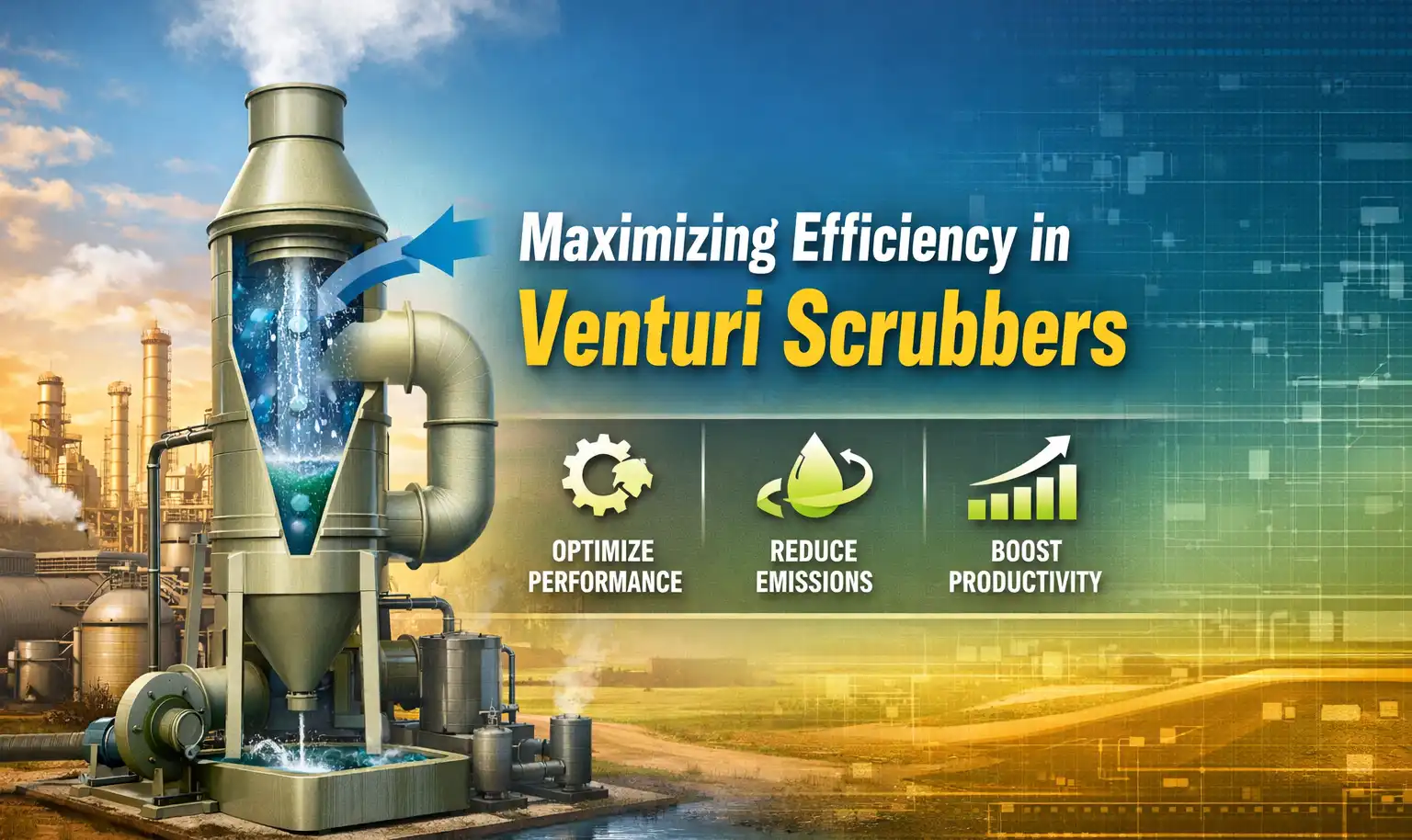
Table of Contents
ToggleVenturi Scrubbers
Industrial air pollution control is a critical concern for modern manufacturing. Companies worldwide seek reliable solutions to meet strict environmental standards. Among the most effective technologies are Venturi Scrubbers. These systems excel at removing fine particulates and harmful gases. Their robust design ensures compliance with regulatory demands. However, simply installing a scrubber is not enough. True success lies in maximizing its operational efficiency. This guide explores proven strategies to achieve peak performance.
Understanding the Core Principles of Venturi Scrubbers
To improve efficiency, one must first understand the mechanics. Venturi Scrubbers operate on a simple yet powerful principle. They use a high-velocity gas stream to atomize scrubbing liquid. This process creates intense turbulence within the venturi throat. The turbulence forces particles and droplets to collide. These collisions capture pollutants effectively. The efficiency of this interaction determines the overall performance.
The Role of Pressure Drop in Performance
Pressure drop is the primary driver of collection efficiency. A higher pressure drop generally means better particle capture. However, it also increases energy consumption. Operators must find a balance. Monitoring differential pressure across the venturi is essential. This data helps maintain optimal conditions without wasting energy. Fine-tuning this balance is a key responsibility for facility managers.
Liquid-to-Gas Ratio: Finding the Sweet Spot
The ratio of liquid flow to gas volume is another critical factor. Too little liquid reduces collection efficiency. Too much liquid can lead to wasted resources and entrainment issues. Proper calibration ensures every droplet is used effectively. Many FRP Scrubber Manufacturers design systems with adjustable nozzles. These features allow operators to modify the ratio on the fly. This flexibility accommodates varying production loads.
Key Design Innovations for Modern Systems
Technology in pollution control has advanced significantly. Modern Venturi Scrubbers now feature variable throat mechanisms. These mechanisms adjust to fluctuating gas volumes automatically. This ensures consistent pressure drop regardless of the load. Such innovations prevent performance dips during peak production hours. They also reduce wear on critical components.
Material Selection and Durability
The choice of construction materials directly impacts longevity and efficiency. Corrosive environments demand high-quality materials. This is where specialized FRP Scrubber Manufacturers excel. FRP, or Fiber-Reinforced Plastic, offers excellent resistance to chemicals. It is also lightweight and durable. Using FRP components reduces maintenance downtime. It ensures the scrubber maintains its efficiency over many years. When searching for a FRP Scrubber Near Me, always prioritize quality fabrication.
Integrating Advanced Fume Extraction Systems
A scrubber is only as good as its hooding and ductwork. Fume Extraction Systems must capture contaminants at the source. Poor capture negates even the most efficient scrubber design. Engineers must design hoods that enclose emission points tightly. Ductwork must be sized correctly to maintain transport velocity. Leaks in the extraction network waste energy and compromise safety. A holistic approach to system design yields the best results.
Operational Strategies for Peak Efficiency
Daily operational habits significantly influence performance. Implementing standard operating procedures is vital. Start by training staff on proper startup and shutdown sequences. These procedures prevent thermal shock and mechanical stress. Consistent practices lead to consistent emission control results.
Routine Maintenance and Inspection
Scheduled maintenance prevents unexpected failures. Inspect the venturi throat for erosion or wear regularly. Check all spray nozzles for clogs or uneven spray patterns. A single clogged nozzle can create a dry spot in the throat. This reduces the effectiveness of the Scrubber for Pollution Control. Keeping a log of pressure readings and liquid flow helps identify trends. Small issues can be corrected before they become major problems.
Optimizing Chemical Feed and pH Control
Many applications require chemical additives for gas absorption. Precise control of chemical feed is essential for efficiency. Overfeeding chemicals wastes money. Underfeeding leads to poor removal rates. Installing reliable pH sensors and controllers automates this process. This ensures the scrubbing liquid remains at peak reactivity. It also protects the internal components from overly aggressive chemistry.
The Importance of Proper Sizing and Selection
Efficiency begins long before installation. Proper sizing is the foundation of a successful system. An undersized unit cannot handle peak loads. An oversized unit cycles on and off frequently, wasting energy. Consulting with experienced Packed Bed Scrubber Manufacturers ensures the correct specifications. They analyze exhaust streams, particulate loading, and gas chemistry. Their expertise prevents costly sizing errors.
Matching Scrubber Type to Application
Not all scrubbers are created equal. While venturi designs excel at fine particle collection, other situations may call for different technologies. For example, a Packed Bed Scrubber is often superior for gas absorption. Some facilities benefit from combining both types in series. Understanding the specific pollutant profile is crucial. This knowledge ensures the chosen Scrubber for Pollution Control operates at maximum efficiency from day one.
Troubleshooting Common Efficiency Issues
Even well-designed systems encounter problems. Recognizing the symptoms of inefficiency is key. A sudden drop in pressure drop often indicates a bypass. This could be a worn gasket or a hole in the duct. An increase in fan motor amperage suggests a restriction. This might be a buildup of solids in the mist eliminator. Quick diagnosis and repair restore optimal performance.
Addressing Liquid Carryover
Liquid carryover occurs when droplets escape the scrubber. This indicates a problem with the mist eliminator or excessive gas velocity. Carryover wastes scr liquid and can damage downstream equipment. Inspecting and cleaning the mist eliminator pads regularly solves this. Ensuring the gas velocity stays within design limits is equally important.
Future Trends in Venturi Scrubber Technology
The industry continues to evolve toward smarter systems. Digital monitoring and IoT integration are becoming standard. Sensors now provide real-time data on every aspect of operation. This data allows for predictive maintenance, not just reactive repairs. Algorithms can suggest optimal set points based on current production. This level of control maximizes efficiency while minimizing operator intervention.
Sustainability and Resource Recovery
Modern goals extend beyond compliance to sustainability. Newer Venturi Scrubbers are designed for water recycling. Collected particulates are sometimes recoverable as valuable by-products. Energy recovery systems can capture heat from exhaust gases. These innovations transform a pollution control device into a resource management tool. This adds significant value for environmentally conscious companies.
Conclusion: Commitment to Clean Air and Efficiency
Maximizing efficiency in Venturi Scrubbers requires a dedicated effort. It starts with selecting high-quality equipment from reputable FRP Scrubber Manufacturers. It continues with proper installation of effective Fume Extraction Systems. Daily operations demand attention to detail and routine maintenance. By focusing on pressure drop, liquid ratios, and material integrity, facilities achieve superior results. This commitment protects the environment and the bottom line. Investing in efficiency ensures your Scrubber for Pollution Control delivers lasting value for years to come. For tailored advice and top-tier equipment, always partner with experienced industry leaders.